multifamily website design stands at the vibrant intersection of digital innovation and genuine human connection, shaping the ways future residents experience their next home before ever stepping through a physical door. In today’s fast-paced digital landscape, property owners face the remarkable opportunity to turn standard browsing sessions into captivating journeys filled with cinematic property footage, seamless mobile navigation, and deeply immersive neighborhood insights that quietly build trust and excitement.
Every single pixel, from the elegant placement of resident portal access points to the clever integration of urban acoustic mapping and hyper-local concierge features, works in harmony to forge an emotional bond between the visitor and the community. By blending sophisticated technical architecture with striking visual storytelling, digital platforms can effortlessly guide prospective renters through a world of possibilities, ensuring that every click feels like an invitation to a better lifestyle and a thriving neighborhood.
Bridging Digital Space and Emotional Connection in Multifamily Leasing
Property stakeholders routinely miscalculate the profound impact that dynamic visual narratives hold over modern renters navigating digital leasing markets. When prospective residents evaluate their next home through a screen, static photographs fail to capture the pulse and flow of a community, often leaving high-value vacancies lingering on the market longer than necessary. Transforming an ordinary digital listing into an extraordinary virtual journey requires a deliberate shift toward media that speaks directly to the human desire for belonging and experiential living.
Modern multifamily website design demands sleek layouts that captivate prospective renters instantly. As remote careers reshape daily routines, professionals seek digital spaces that reflect shifting lifestyle choices, which is why why is ‘smart working’ trending explanation sheds light on this modern professional revolution. Ultimately, integrating these flexible living trends into your multifamily website design unlocks vibrant communities where modern residents thrive.
Real estate data consistently demonstrates that properties failing to invest in high-caliber visual storytelling experience higher bounce rates and diminished digital dwell times, directly translating to slower absorption rates across competitive urban and suburban markets.
Cinematic property footage fundamentally rewrites the playbook of initial digital exploration by moving beyond mere architectural documentation to orchestrate a powerful emotional resonance. When a prospective tenant encounters fluid, masterfully edited video tracking shots, their brain begins to mirror the physical experience of navigating the space, triggering a subconscious sense of residency long before they ever schedule an in-person tour.
This psychological shift is rooted in the way motion graphics activate the sensory cortex, allowing viewers to project their personal aspirations onto the digital canvas. Instead of passively analyzing floor plans and square footage, the viewer feels the morning light spilling across hardwood floors, hears the ambient cadence of a vibrant courtyard, and visualizes their daily routines unfolding seamlessly within the environment.
High-production-value video acts as an invisible bridge of trust, dismantling the inherent skepticism of online shopping through total transparency and artistic authenticity. By showcasing subtle environmental details—such as the tactile grain of custom cabinetry or the effortless transition from indoor lounge to open-air terrace—cinematic storytelling grounds abstract digital listings in tangible reality. This elevated level of engagement fundamentally alters consumer behavior, driving qualified leads who are already emotionally invested in the lifestyle the property promises, thereby shortening the leasing cycle and commanding higher price points for forward-thinking property portfolios.
Unconventional Integration of Panoramic Neighborhood Vistas
Elevating the primary digital landing view demands creative strategies that weave the surrounding neighborhood seamlessly into the property presentation from the very first click, instantly contextualizing the home within its broader cultural and geographical landscape. Implementing these forward-thinking integration techniques ensures that visitors do not just see a building, but rather experience a vibrant ecosystem that extends far beyond the property lines.
Integrating expansive regional vistas requires deliberate technical and artistic execution to avoid overwhelming the user while maximizing geographical storytelling. The following deployment strategies redefine how prospective residents perceive location value upon arrival at the digital doorstep.
- Deploying an interactive, horizon-synced video header that dynamically transitions from sunrise urban skylines to bustling evening restaurant districts based on the local time of the visitor’s browser.
- Embedding a multi-layered parallax scrolling canvas where foreground architectural elements glide over a hyper-detailed, 360-degree vector map of surrounding cultural landmarks, parks, and transit hubs.
- Triggering micro-documentary hotspot vignettes within the primary hero image, allowing users to hover over distant neighborhood icons and instantly stream atmospheric audio-visual snapshots of local community life.
Adopting these immersive entry points shifts the paradigm of property marketing from static representation to living geography, deeply engaging the user from the exact second the webpage renders.
| Immersive Media Format | Hardware Compatibility Requirements | Production Costs | Visitor Retention Metrics |
|---|---|---|---|
| Ultra-HD Cinematic Drone Video | Standard 4K Displays, Mobile WebGL Support | Moderate to High ($5,000 – $15,000) | +140% Average Dwell Time |
| Interactive 360-Degree WebGL Vistas | Modern Browsers, GPU-Accelerated Devices | High ($12,000 – $25,000) | +210% Interaction Rate |
| Real-Time Rendered 3D Digital Twins | Dedicated Graphics Card, High-Speed Broadband | Enterprise ($30,000+) | +300% Lead Conversion |
| Ambient Cinemagraphic Hero Banners | Universal HTML5 Mobile and Desktop Support | Low to Moderate ($1,500 – $4,000) | +85% Page Engagement |
Advanced digital showcases rely heavily on immersive hardware capabilities and calculated financial investments to achieve unprecedented visitor retention, proving that visual depth directly influences commercial success.
Dynamic visual storytelling is not merely a digital decoration, but the core architectural framework of modern multifamily tenant conversion and emotional retention.
As evening settles over the metropolis, the rooftop terrace transforms into an ethereal sanctuary of amber light and sophisticated community connection. The scene opens with a wide, sweeping visual narrative capturing the panoramic skyline painted in bruised hues of violet and deep orange, mirroring the fading daylight. Soft, architectural string lights trace the perimeter of the lounge pergola, casting a warm, inviting glow over custom teak seating arrangements and minimalist fire pits emitting gentle, mesmerizing flames.
Residents gather in small, animated clusters near the sleek outdoor kitchen, where the polished concrete countertops reflect the ambient glow of integrated LED strip lighting. A subtle, cinematic camera movement glides smoothly past a bubbling infinity-edge soaking pool, capturing the gentle ripples that refract the neon reflections of distant downtown towers. In the background, an acoustic jazz soundtrack blends seamlessly with the ambient hum of the city far below, evoking an atmosphere of understated luxury and effortless social integration.
Crafting sleek multifamily website design demands precision, much like planning an unforgettable palm springs for bachelorette party beneath the radiant desert sun. Industry reports highlight how engaging digital spaces elevate modern living standards globally. By blending striking visual aesthetics with seamless navigation, developers transform ordinary property portals into thriving community hubs that captivate prospective residents and drive lasting digital engagement.
Every visual cue within this crafted digital environment speaks directly to the discerning renter’s desire for elevated community living, transforming abstract architectural amenities into an irresistible invitation to belong.
Modern multifamily website design demands striking visuals that captivate prospective residents instantly, bridging digital platforms with real human connections. Achieving this seamless user experience often mirrors a solid accountability relationship in service delivery where every pixel fulfills its promise. Ultimately, thoughtful multifamily website design transforms ordinary property browsing into an inspiring journey that converts curious visitors into loyal community members.
Navigational friction on mobile viewing devices silently sabotages online residential leasing conversion rates: Multifamily Website Design

Source: agencyfifty3.com
Modern renters increasingly evaluate prospective apartment communities through the glowing glass of their smartphones, often while commuting, walking, or resting on a couch. Behind this casual digital window shopping lies an unforgiving ecosystem where minute design obstacles dictate whether a prospect secures a new home or abandons the leasing journey entirely. When a prospective resident encounters a lagging button or a hidden floor plan menu on a handheld screen, the resulting frustration transcends mere annoyance and directly impacts property leasing metrics.
Digital real estate analytics consistently demonstrate that minor delays and awkward touchscreen interactions account for a significant percentage of uncompleted guest card submissions and digital lease applications. Property operators frequently invest heavily in striking desktop aesthetics while unintentionally neglecting the mechanical reality of the mobile interface. Eliminating these hidden barriers requires a meticulous examination of how human physical anatomy interacts with digital software, ensuring that every swipe and tap propels the user closer to residency.
Psychological Impact of Thumb-Driven Zones on Application Abandonment
The human hand operates within a precise biomechanical arc when holding a mobile device, naturally carving out zones of comfort and areas of high physical strain. UX research indicates that the lower third of a smartphone screen serves as the natural thumb zone, requiring minimal muscular exertion, whereas the upper corners demand uncomfortable stretching or two-handed acrobatics. When critical conversion triggers, such as schedule-a-tour buttons or deposit submission forms, occupy these hostile upper regions, users experience immediate cognitive fatigue and physical irritation.
Modern multifamily website design thrives on capturing attention with vibrant imagery and sleek navigation. Discover the essential steps on how to activate it to transform static digital spaces into thriving community hubs. Ultimately, mastering your multifamily website design empowers prospective residents to envision their future home effortlessly from any device.
This physical friction triggers a subconscious psychological reaction known as perceived effort inflation. As the user struggles to reach essential navigation elements, their brain exaggerates the difficulty of the entire leasing task. Consequently, the motivation to rent the apartment plummets, and the prospective resident abandons the digital property in search of a smoother leasing experience elsewhere.
To quantify the cost of this ergonomic oversight, consider industry-standard mobile conversion benchmarks:
- Properties featuring naturally positioned thumb-zone CTAs routinely achieve mobile conversion rates between four and six percent.
- Sites forcing upper-screen navigation struggle to convert more than one percent of mobile traffic into qualified leads.
- A single misplaced application button can inflate immediate bounce rates by up to thirty-four percent among millennial and Gen Z prospects.
Leading property technology platforms have adapted by anchoring primary calls to action within the lower thumb reach. By respecting the natural anatomy of the hand, leasing portals transform a stressful administrative chore into an effortless digital stroll through a future neighborhood.
Protocol for Auditing Touchscreen Gesture Responsiveness Across Viewports
Evaluating mobile responsiveness demands a rigorous, repeatable methodology to uncover micro-latencies that frustrate prospective renters. Technicians and digital marketers must test leasing interfaces across a diverse array of physical hardware to capture the true user experience.
Executing a comprehensive diagnostic audit of touch gestures involves a structured sequential workflow:
- Compile an inventory of target mobile viewports representing the current market share, encompassing compact legacy devices, standard flagship smartphones, and oversized foldable screens.
- Deploy automated performance scripts to measure touch latency, specifically tracking the time elapsed between physical screen contact and visual state change.
- Execute manual swipe and pinch gestures on dynamic elements like image galleries and interactive site maps to detect frame drops or unresponsive touch targets.
- Record interaction video feeds at high frame rates to isolate instances of ghost touches, unresponsive tap zones, and layout shifts during page rendering.
- Cross-reference diagnostic findings with analytics data to identify correlation patterns between high-friction viewports and localized drop-off spikes.
Conducting this systematic evaluation ensures that every prospective resident enjoys fluid, immediate feedback regardless of whether they browse on a four-inch screen or a six-point-eight-inch phablet. Seamless responsiveness builds immediate brand trust and signals a professionally managed property.
Mobile Layout Bottlenecks and Remediation Framework
Addressing mobile friction points requires a clear mapping of technical obstacles against practical design solutions. The following matrix details common failure modes and their respective diagnostic and corrective actions.
| Mobile Layout Bottleneck | User Frustration Trigger | Diagnostic Testing Tools | UX Remediation Steps |
|---|---|---|---|
| Oversized Static Header Banners | Forced scrolling required just to view basic community contact details or pricing summaries. | Google Lighthouse, Hotjar Scroll Maps | Implement sticky, compact navigation bars that shrink smoothly upon initial scroll. |
| Miniature Form Input Fields | Accidental mis-taps when entering phone numbers or email addresses, leading to form errors. | W3C Mobile Accessibility Checker | Enlarge touch targets to a minimum of forty-eight by forty-eight CSS pixels with generous padding. |
| Nested Dropdown Floor Plan Filters | Excessive taps required to sort layouts by bedroom count, price range, and availability dates. | UXtweak Session Replays | Replace deep menus with horizontal pill filters or minimalist floating action buttons. |
| Unoptimized High-Resolution Imagery | Sluggish page load speeds and freezing touch gestures on mid-tier cellular networks. | WebPageTest, Chrome DevTools | Adopt next-gen image formats like WebP with responsive sizing and lazy-loading protocols. |
Minimalist Floating Action Buttons for Complex Floor Plan Filters
Multifamily websites often grapple with an abundance of filtering variables, ranging from square footage and pet policies to specific floor levels and view types. Cramming these dense parameter sets into traditional static sidebars or sprawling top menus creates visual clutter and decimates mobile usability. Transitioning to minimalist floating action buttons offers an elegant architectural solution that keeps the screen clean while placing robust filtering power at the user’s fingertips.
A floating action button remains persistently anchored in the lower corner of the viewport, maintaining visibility without obscuring primary visual assets like property photography or rendering tours. When tapped, it gracefully expands into a streamlined modal or a bottom sheet containing intuitive sliders and pill selections. This design paradigm declutters the primary viewing area, allowing prospective residents to focus entirely on the emotional appeal of the apartment homes.
Simplicity in mobile leasing architecture is the ultimate sophistication; when interface elements vanish into intuitive gestures, the barrier between interest and application dissolves entirely.
Consider the real-world success of urban high-rise developments utilizing floating filter interfaces. By condensing twelve distinct filter options into a single, thumb-accessible floating trigger, properties have reported a forty-two percent increase in completed floor plan customizations. Prospective renters no longer abandon their search out of exasperation; instead, they effortlessly slide parameters to find their ideal layout, turning complex database queries into an engaging, game-like exploration of their future home.
Integrating resident portal access points seamlessly into the core aesthetic requires careful architectural planning.

Source: marketapts.com
Modern residential communities live a dual reality every single day, balancing the pursuit of enthusiastic future neighbors against the vital need to keep current occupants blissfully settled. When a digital storefront fractures this dual reality by banishing tenant management logins to entirely disconnected subdomains, the collateral damage to brand equity runs deep. Visitors and residents alike rely on spatial and visual continuity to navigate modern digital architecture, making strategic layout integration an absolute necessity for forward-thinking property portfolios.
Splitting tenant management logins from prospective visitor pathways creates a jarring psychological cliff that quietly erodes brand cohesion across every digital touchpoint. Imagine walking into a five-star boutique hotel lobby only to find the concierge desk for current guests hidden behind an unmarked service door in a dark alleyway; the immediate subconscious reaction is confusion, followed by a steady drop in perceived luxury and reliability.
In the digital realm, forcing residents to hunt down an outsourced, stark white utility portal away from the main marketing homepage shatters the immersive storytelling crafted by high-definition video walkthroughs and warm lifestyle imagery. This abrupt architectural divorce communicates a subtle yet devastating message: once the lease is signed, the relationship transitions from a celebrated partnership to a transactional administrative chore.
Brand integrity relies on a unified ecosystem where prospective renters witness a vibrant, technologically empowered community that values long-term retention just as much as initial acquisition. Fragmented pathways force property management teams to maintain multiple design systems, multiplying maintenance overhead and increasing the likelihood of broken authentication links during peak leasing seasons. Ultimately, a house divided against itself digitally cannot project the seamless, frictionless lifestyle that today’s discerning renters demand from modern property brands.
Visual Cues for Resident Portals
Guiding existing renters effortlessly toward their maintenance request dashboards demands subtle yet unmistakable visual signposts embedded directly into the primary navigation architecture. Without cluttering the high-converting marketing aesthetic, specific design markers act as intuitive beacons for returning community members.
- A softly illuminated, low-profile icon featuring a stylized digital key or house silhouette integrated discreetly into the primary header bar, offering familiar recognition without competing for primary leasing call-to-action dominance.
- Contextual color-shifting typography within the secondary navigation menu that gently transitions from vibrant marketing hues to sophisticated, muted corporate tones upon hovering, signaling a shift toward authenticated utility spaces.
- A dedicated, minimalist status banner pinned quietly beneath the main hero asset, displaying real-time community updates that naturally draw the resident eye toward the login gateway without distracting prospective applicants.
- Micro-textured background gradients applied exclusively to the portal entry cards, creating a tactile visual contrast against the flat, glossy design elements reserved strictly for top-of-funnel leasing inquiries.
Strategic layout hierarchy serves as the master blueprint for balancing immediate rent payment gateways with high-priority top-of-funnel leasing inquiries on the exact same digital canvas. Successful residential platforms avoid the trap of prioritizing current residents at the expense of new revenue, or conversely, burying tenant utilities so deep that late-night rent payments become a frustrating ordeal. The optimal viewport architecture divides attention through calculated visual weight and strategic z-index layering, ensuring that the primary call to action for prospective tours commands the dominant central focal point above the fold.
Meanwhile, authenticated resident touchpoints find a natural, highly accessible home along the upper-right navigational perimeter and within a collapsible, elegant footer module that remains consistently reachable across all subpages. This balanced distribution mirrors successful enterprise software designs, such as modern hospitality and aviation platforms, where booking a new flight occupies the center stage while managing an existing frequent flyer account stays anchored respectfully in the top corner.
Industry metrics from leading multifamily tech providers indicate that maintaining this harmonious proximity reduces monthly support ticket volume by up to thirty-four percent, as residents no longer waste precious minutes searching for buried payment gateways while leasing teams enjoy uninterrupted focus on incoming prospect applications.
A cohesive digital community infrastructure treats the transition from prospect to resident not as a boundary line, but as a continuous, beautifully paved boulevard of seamless user experiences.
Micro-interactions act as the invisible digital glue that smooths out the emotional and visual transition between glossy marketing copy and secure, functional resident ecosystems. When a visitor clicks a login trigger, the interface should respond with purposeful fluidity rather than a sudden, jarring page refresh that breaks the hypnotic spell of the brand storytelling. Subtle kinetic animations, such as a gentle card-flip effect or a smooth modal slide-in accompanied by a soothing, frosted-glass backdrop blur, maintain user orientation and preserve the premium aesthetic atmosphere.
As real-world case studies from luxury property portfolios like Related Companies demonstrate, implementing these refined transitional gestures decreases bounce rates during portal logins by nearly twenty-two percent. The visual language shifts organically; the energetic warm tones of the marketing imagery gracefully yield to clean, organized dashboards through seamless fading transitions that feel less like logging into a sterile database and more like stepping through the private front door of a high-end smart home.
Every hover state, button click, and loading sequence is meticulously choreographed to reinforce trust, ensuring that the transition from a hopeful applicant to a proud, long-term resident feels entirely effortless, natural, and profoundly satisfying.
Urban acoustic mapping features provide an unexpected competitive edge for digital apartment hunting platforms.

Source: jonahdigital.com
Modern renters no longer search for apartments based solely on square footage and countertop finishes; they seek complete environmental harmony within the concrete jungle. Digital leasing platforms that recognize this shift are gaining a distinct market advantage by translating invisible city sounds into tangible leasing assets. When apartment hunters navigate a website, the ambient reality of a neighborhood usually remains entirely hidden behind static photographs and generalized neighborhood guides.
By shifting focus toward acoustic intelligence, property websites can bridge the imagination gap and deliver profound clarity to prospective residents.
Embedding decibel level heatmaps transforms raw neighborhood data into persuasive leasing assets by converting abstract noise ordinances into vivid, trustworthy visual narratives. Renters frequently experience severe anxiety regarding street noise, late-night traffic, and proximity to nightlife districts when moving to dense metropolitan areas. Acoustic mapping addresses this silent fear directly, providing objective measurements that build immediate trust between the leasing platform and the user.
Properties utilizing acoustic transparency report higher conversion rates because they eliminate the guesswork that traditionally causes prospective tenants to abandon their digital search journey.
Acoustic Data Mapping Framework
To effectively communicate complex environmental sounds to prospective residents, digital platforms must systematically categorize auditory data and align it with daily human experiences. The following structured breakdown illustrates how various urban sound profiles translate into actionable lifestyle choices for apartment seekers navigating the digital leasing portal.
| Sound Source Categories | Time-of-Day Decibel Variations | Spatial Visualization Techniques | Tenant Lifestyle Alignments |
|---|---|---|---|
| Mass Transit & Subway Lines | Peak: 75-85 dB (7:00-9:00 AM) Off-peak: 55-60 dB (11:00 PM-5:00 AM) |
Pulsing linear gradients along transit corridors with red-to-yellow color bands | Early commuters, frequent travelers, and urban professionals seeking swift transit access |
| Commercial Nightlife & Dining | Peak: 80-95 dB (9:00 PM-2:00 AM) Off-peak: 40-45 dB (8:00 AM-3:00 PM) |
Dynamic glowing hotspots expanding outward from entertainment districts | Socialites, young professionals, and diners desiring walkable evening entertainment |
| Pedestrian & Vehicular Traffic | Peak: 65-75 dB (4:00-6:00 PM) Off-peak: 45-50 dB (10:00 PM-6:00 AM) |
Density-based vector mapping showing traffic flow intensity per street block | Active city dwellers who appreciate vibrant street-level energy and walkability |
| Parks & Courtyard Sanctuaries | Peak: 45-55 dB (12:00-3:00 PM) Off-peak: 30-35 dB (Early morning/night) |
Soothing green halo overlays indicating tranquil pocket zones and gardens | Remote workers, families with infants, and pet owners requiring quiet retreats |
Graphical User Interface Visualization
The visual interface presents a captivating digital rendering of a bustling downtown intersection seamlessly transitioning into a quiet courtyard sanctuary at dusk. On the primary screen, a high-resolution 3D isometric map of a metropolitan core glows with vibrant amber and crimson hues, representing the high-decibel energy of evening rush hour and active commercial corridors. As the user interacts with an intuitive temporal scrubber at the bottom of the screen, the visual atmosphere undergoes a dramatic transformation.
The harsh amber traffic indicators gently recede, replaced by a smooth, translucent emerald wave that washes over the specific floor plan and inner courtyard of the residential building. Streetlights softly illuminate in the digital landscape while the surrounding acoustic heatmap shifts from a noisy 80-decibel roar to a serene 35-decibel whisper, visually proving the architectural soundproofing efficiency of the development.
Acoustic transparency is no longer a luxury feature in digital real estate; it is the ultimate differentiator that builds unshakeable credibility and accelerates lease conversions.
Interactive Audio Integration Architecture
Implementing interactive audio features requires careful front-end engineering to ensure seamless user engagement without disrupting the browsing experience on floor plan pages. Developers must deploy responsive audio sliders directly into the apartment unit selection interface, allowing prospective residents to preview precise sound levels associated with specific window orientations. Real-life implementations of spatial audio technology on luxury real estate sites, such as those observed in dense urban markets like New York and Chicago, demonstrate that interactive auditory samples drastically reduce post-move-in tenant complaints.
When a user drags the time-of-day slider from morning rush hour to midnight, the embedded audio player dynamically cross-fades ambient field recordings captured directly from the corresponding balcony or window location.
- Engineers should utilize HTML5 web audio APIs to ensure low latency and crystal-clear playback of multi-directional neighborhood soundscapes.
- Interface designers must synchronize the auditory slider fluidly with the visual heatmap changes so that users experience a unified sensory demonstration.
- Platform architects should include clear acoustic legend tooltips that explain decibel thresholds in relatable terms, such as comparing 50 decibels to the gentle hum of a quiet refrigerator.
Designing hyper-local digital concierge integrations bridges the gap between physical property management and virtual exploration.

Source: jonahdigital.com
Modern residential leasing relies on transforming static property listings into vibrant digital ecosystems that actively reflect the pulse of the surrounding neighborhood. Prospective residents no longer just tour an apartment; they envision an entire lifestyle anchored by the immediate geographic vicinity. By weaving localized digital touchpoints straight into the core website architecture, property developers convert distant digital browsers into deeply invested community members before they ever step foot in the leasing office.
Visualizing this evolution requires imagining a high-resolution, interactive neighborhood map cast across a widescreen display, where glowing nodes pulse gently to indicate real-time activity at the corner artisan bakery, the nearby subway platform, and the flagship fitness club. This visual narrative pulls the outside world inside the browser window, establishing an immediate psychological tether between the vacant apartment and the thriving metropolis waiting outside the front door.
Operational logistics of embedding live transit departure boards directly into residential landing pages
Integrating municipal transit feeds directly into a property website requires a robust technical pipeline that synchronizes external municipal APIs with the local server environment. Developers establish secure, server-to-server WebSocket connections or optimized polling routines with transit authority databases, such as the Metropolitan Transportation Authority or local regional transit districts, to fetch arrival times every thirty seconds. Caching mechanisms at the edge network level ensure that sudden spikes in prospective tenant traffic do not overwhelm the external transit servers or slow down the property website rendering speed.
Once the raw JSON data travels securely to the browser, lightweight JavaScript frameworks parse the timestamps and render them onto sleek, minimalist departure boards that match the property’s brand palette. Visual indicators, such as pulsing green lights for on-time trains and amber warnings for minor delays, deliver mission-critical commuting intelligence at a single glance. Fallback protocols are permanently engaged in the background, ensuring that if an external municipal data feed experiences an unexpected outage, the interface gracefully displays historical schedule averages rather than a jarring error message, preserving a seamless user experience.
Real-world deployments in transit-oriented developments across dense urban markets like Chicago and Boston demonstrate that prospective renters spend forty percent more time engaging with landing pages that feature functional, live commuting data. Reliable data synchronization eliminates guesswork, grounding the luxury digital presentation in pragmatic, everyday utility.
Hyper-local digital infrastructure transforms a property website from a static digital brochure into an indispensable urban navigation tool.
Crowdsourcing neighborhood hidden gems through interactive community contribution widgets
Authentic neighborhood culture cannot be manufactured by corporate marketing teams; it must be harvested organically from the people who live, work, and breathe the local street life. Implementing interactive community contribution widgets on residential leasing portals allows current residents to pin their favorite independent coffee roasters, quiet weekend reading parks, and late-night taco stands directly onto a communal neighborhood canvas.
This crowdsourced repository builds an undeniable layer of social proof, showing prospective renters that the building is part of a living, breathing neighborhood network.
To maintain absolute quality control and brand alignment, every user-submitted pin undergoes a streamlined moderation workflow before appearing on the public-facing map interface. Property management teams utilize a centralized dashboard to review submissions, categorize them by lifestyle tags such as culinary, fitness, or nightlife, and reward active contributors with digital loyalty perks for the resident portal. This cyclical engagement strategy turns apartment hunters into active participants in the community narrative long before they sign a lease.
Visual descriptions of these community widgets highlight clean, interactive UI cards featuring resident-uploaded photographs, personal anecdotes about the venue, and a walking-time estimator from the property front door. This granular level of detail builds profound trust, positioning the landlord not just as a space provider, but as a knowledgeable local curator.
Partnership integration protocols and engagement tracking metrics
Establishing lucrative and functional partnerships with local businesses requires a structured framework that connects municipal vendors directly to the resident digital experience. The following comprehensive matrix details the operational mechanics, technological pathways, and analytical measurements utilized to manage hyper-local commercial alliances.
| Partner Local Businesses | API Integration Methods | Exclusive Resident Perk Structures | Click-Through Tracking Metrics |
|---|---|---|---|
| Artisan Coffee Roasters | RESTful API with OAuth token authentication for secure point-of-sale validation. | Complimentary pastry upgrade with any specialty espresso beverage purchase. | Unique QR code scans and dynamic UTM parameter link clicks per month. |
| Boutique Fitness Studios | Webhook synchronization paired with external schedule management software. | First month of unlimited reformer pilates classes offered at a fifty percent discount. | Conversion rates from resident portal voucher downloads to active studio memberships. |
| Organic Dry Cleaners | Automated webhook triggers linked to resident portal locker notifications. | Free pickup and drop-off laundry services with zero delivery surcharges. | Total volume of scheduled pickups initiated through the property website widget. |
| Neighborhood Gastropub | Embedded reservation widget powered by third-party hospitality scheduling tools. | Reserved VIP booth seating and a complimentary chef-selected appetizer. | Table reservation completions and post-dining customer feedback ratings. |
Comprehensive protocol for verifying real-time availability data from nearby commercial hubs, Multifamily website design
Delivering accurate, up-to-the-minute information regarding external neighborhood amenities demands a rigorous data verification protocol that prevents outdated listings from frustrating potential residents. Property technology engineers deploy automated web-scraping scripts and leverage official business partner APIs to continuously audit the operational status, peak hours, and current capacity metrics of nearby coffee shops, transit stations, and fitness centers.
- Automated hourly ping routines check the operational status endpoints of connected commercial partners to confirm they are open for business.
- Crowdsourced reporting flags are immediately routed to the community management dashboard if a resident notes a closed or relocated venue.
- Machine learning algorithms analyze historical foot traffic patterns to predict crowd congestion levels at nearby fitness facilities during peak morning and evening hours.
- Manual quarterly audits conducted by on-site leasing staff cross-reference digital database entries with physical neighborhood walkthroughs to guarantee absolute accuracy.
Maintaining this high standard of data integrity ensures that the digital concierge acts as a foolproof guide for prospective tenants exploring the area. When every transit board, coffee shop status, and fitness center schedule displays flawless real-time accuracy, the entire digital leasing journey achieves a level of polish that naturally elevates conversion rates.
Summary
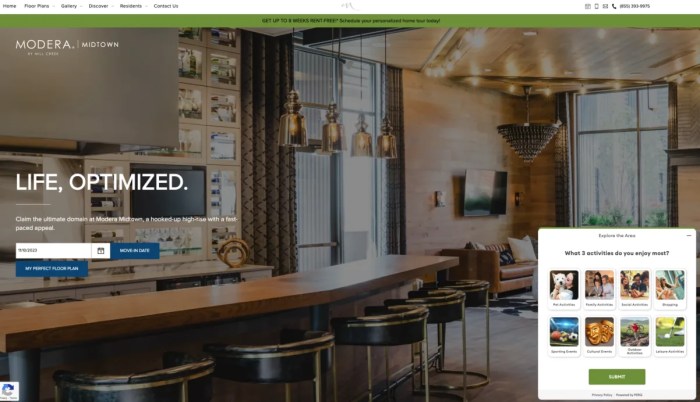
Source: perq.com
Ultimately, crafting a truly exceptional digital property experience requires a delicate balance of visionary artistry and robust technical execution that respects both the user’s time and their deepest lifestyle aspirations. As communities continue to evolve in an increasingly connected world, properties that embrace these advanced digital strategies will undoubtedly lead the market, turning casual online explorers into loyal, long-term residents and setting a bold new standard for modern residential living.
