designer women interior spaces are currently redefining the very essence of modern domestic life, blending striking visual luxury with profound emotional depth. Across bustling metropolitan centers and serene countryside escapes, visionary female architects and tastemakers are reshaping how we inhabit our personal environments.
By shifting the focus from mere decoration to holistic sensory rehabilitation, these leaders are proving that our homes can act as genuine sanctuaries. Through careful integration of biophilic design, sustainable materials, and hidden smart technologies, they craft interiors that speak softly yet powerfully to the human spirit.
Female visionaries are fundamentally transforming how domestic environments merge luxury with emotional resonance
Modern residential architecture has crossed a profound threshold where opulence is no longer measured strictly by square footage or gilded fixtures, but by the profound emotional sanctuary it provides. Across the globe, women at the forefront of interior architecture are redefining high-end living spaces, shifting the focus from sterile showrooms to deeply resonant personal ecosystems. This evolution marks a departure from ostentatious displays of wealth toward curated environments that prioritize psychological well-being, sensory comfort, and a seamless integration of personal history with contemporary design.
Today’s premier female designers are rewriting the grammar of luxury through an intuitive understanding of spatial psychology, material tactility, and historical continuity. By bridging the gap between avant-garde aesthetics and intimate human needs, they craft homes that function simultaneously as high-fashion statements and protective cocoons against the relentless pace of modern urban existence.
Historical evolution of prominent matriarchs shaping contemporary household aesthetics
The lineage of female influence in interior architecture traces back through a century of radical domestic reform, driven by visionaries who refused to separate beauty from utility. Elsie de Wolfe, widely recognized as America’s first professional interior decorator in the early twentieth century, dismantled the heavy, dark Victorian aesthetic in favor of light, air, and cheerful color palettes, liberating domestic spaces from centuries of visual congestion.
Mid-century modernism saw figures like Ray Eames and Florence Knoll merge rigorous architectural engineering with human-centric ergonomics, establishing the foundational principle that furniture and spatial layout must serve the holistic lifestyle of the inhabitant rather than merely filling a room. Knoll, in particular, revolutionized the corporate and residential executive suite by introducing the concept of the complete interior, treating space as a unified canvas where textiles, lighting, and structure conversed in harmony.
In contemporary practice, visionaries such as Kelly Wearstler and India Mahdavi have inherited this pioneering spirit, pushing the boundaries of maximalist narrative and chromatic emotion. Their works demonstrate a continuous historical thread where female designers consistently champion the domestic sphere as a vital arena for cultural expression and psychological grounding.
Distinct psychological nuances that distinguished female curators bring to spatial architecture
Spatial architecture curated by leading women often exhibits a sophisticated grasp of subconscious emotional triggers, transforming physical rooms into therapeutic landscapes. This approach stems from an acute awareness of how spatial transitions affect human behavior, cortisol levels, and interpersonal dynamics within the family unit. Rather than imposing a rigid stylistic ego upon a residence, these designers act as spatial psychologists, conducting deep investigative dialogues with clients to decode their emotional vulnerabilities and aspirations.
The resulting environments intentionally manipulate natural light diffusion, acoustic dampening, and sightlines to foster moments of both communal gathering and solitary introspection. For instance, the deliberate placement of semi-enclosed reading alcoves or curved circulation paths gently encourages mindfulness and reduces the latent stress associated with sharp angles and vast, unarticulated expanses. This methodology recognizes that true luxury encompasses the mental clarity and emotional safety experienced behind closed doors.
Tactile fabrics and soft palettes cultivating sanctuaries of tranquility within metropolitan residences
Within dense urban centers like New York, London, and Tokyo, high-end residences frequently serve as counter-environments designed to neutralize the sensory overload of the metropolis. To achieve this urban escapism, visionary designers deploy an intentional vocabulary of touch and tone, moving far beyond visual minimalism to engage the tactile senses deeply. Bouclé wools, raw silks, unlacquered brass, and limewashed plaster walls invite physical interaction, creating an immediate grounding effect for the returning commuter.
Visionary female creators are redefining spatial elegance with bespoke interior aesthetics, seamlessly blending bespoke comfort and striking architectural lines. This meticulous craft mirrors the heritage-rich ambiance found inside shene distillery , where copper stills glow beneath historic timbers. Ultimately, these brilliant design minds transform everyday residential environments into breathtaking sanctuaries of modern luxury and warmth.
The color palettes accompanying these textures deliberately avoid stark whites and aggressive primaries in favor of atmospheric hues—stone grays, muted terracottas, sage greens, and warm cashmeres that absorb and soften harsh urban sunlight.
True architectural luxury within a hyper-connected world is found not in what a room displays, but in how deeply it allows the nervous system to rest.
This sensory layering transforms high-rise apartments and historic townhouses into meditative sanctuaries where the chaos of the outside world simply dissolves at the threshold.
Interplay between heirloom preservation and avant-garde luxury staging
Integrating ancestral artifacts with cutting-edge design requires a delicate balance of respect for the past and bold contemporary vision, a synthesis masterfully executed by contemporary female curators. The following matrix Artikels how specific material categories bridge historical epochs and modern sensibilities within high-end residential projects.
| Materials | Eras | Designers | Emotional Impacts |
|---|---|---|---|
| Patinated Bronze and Cast Glass | Mid-20th Century meets Contemporary | Zaha Hadid Architects | Evokes a sense of timeless fluidity, bridging industrial heritage with futuristic optimism. |
| Reclaimed French Oak and Polished Resin | 18th Century meets Avant-Garde | Kelly Wearstler | Creates a grounding dialogue between historical endurance and modern sleekness. |
| Hand-Woven Wool Tapestries and Minimalist Steel | Renaissance meets Ultra-Modern | Ilse Crawford | Fosters emotional warmth and tactile intimacy within stark architectural envelopes. |
| Carved Travertine and Raw Silk | Classical Antiquity meets Japandi | Axel Vervoordt tradition / Studio Liaigre | Instills profound calm and meditative reverence through weathered permanence. |
Subtle paradigm shift occurring in high-end domestic curation
The contemporary landscape of high-end interior architecture is currently navigating a quiet yet profound paradigm shift, moving away from transient trend-chasing toward enduring spatial storytelling. For decades, luxury interior design was predominantly dictated by seasonal collections and standardized notions of prestige that often left residences feeling like pristine, uninhabited hotel suites. Today, female visionaries are dismantling this impersonal model by championing homes as autobiographical archives that evolve alongside the lives of their inhabitants.
This transformation is vividly evident in landmark residential projects across major global capitals, where high-net-worth clients increasingly commission spaces that reflect personal heritage, ecological consciousness, and psychological restoration. Designers are no longer merely assembling expensive commodities; they are orchestrating environments where sustainable craftsmanship, such as locally sourced natural stones and non-toxic organic finishes, coexists with museum-quality contemporary art and cherished family heirlooms.
This holistic philosophy acknowledges that a truly luxurious home must possess a soul, honoring the past while remaining adaptable to the fluid needs of modern life. By prioritizing emotional resonance over mere visual spectacle, these spatial curators are establishing a new benchmark for domestic architecture—one where beauty, comfort, and personal identity exist in perfect, enduring equilibrium.
Residential sanctuaries crafted by female tastemakers prioritize holistic wellness and sensory rehabilitation: Designer Women Interior
Modern residential architecture has shifted from mere visual opulence toward deeply therapeutic domestic landscapes. Leading female interior architects are pioneering this evolution, treating the home not just as a static showcase of wealth, but as an active participant in biological and psychological restoration. Every square foot is now meticulously calibrated to counteract the chronic stressors of contemporary urban existence, turning private apartments and townhouses into genuine restorative ecosystems.
This paradigm shift relies on rigorous scientific insights into human neurobiology, environmental psychology, and circadian health. By orchestrating materials, light, and spatial geometry with unprecedented precision, these designers engineer environments that actively lower cortisol levels, enhance cognitive recovery, and foster deep emotional equilibrium. The resulting spaces function as living shields against sensory overload, offering inhabitants a daily sanctuary for profound physical and mental renewal.
Methodologies for biophilic integration in high-end urban living zones
Bringing the restorative cadence of nature into dense metropolitan towers requires far more than scattering potted plants across a penthouse floor. Visionary female designers employ advanced architectural methodologies, such as embedding living green walls equipped with automated hydroponic irrigation directly into structural load-bearing partitions. These installations continuously filter indoor air pollutants while introducing organic fractal patterns that trigger involuntary psychological relief, a phenomenon known in environmental psychology as attention restoration theory.
Furthermore, materiality plays a fundamental role in bridging the urban-nature divide within luxury residences. Architects specify tactile, unsealed natural stones, reclaimed aged timbers, and raw architectural metals that patina gracefully over time, connecting the resident to the passage of natural cycles. Large-scale indoor water features are acoustically engineered to mask intrusive city frequencies with the white noise of babbling streams, effectively transforming a high-rise living room into a secluded forest clearing.
Visionary female creators are transforming modern living spaces with bespoke aesthetics and refined elegance. This meticulous design ethos is now redefining compact living, proving that small container homes can radiate immense architectural beauty. Through brilliant spatial innovation and soulful textures, these talented experts continuously elevate luxury interior environments into extraordinary sanctuaries.
Therapeutic lighting techniques harmonizing circadian rhythms
Artificial illumination within the luxury domestic sphere has transcended basic aesthetic enhancement to become a sophisticated pharmacological tool for biological alignment. Forward-thinking designers implement dynamic, human-centric LED lighting arrays that meticulously replicate the spectral curve of natural sunlight throughout the day. These systems bathe morning quarters in cool, high-kelvin illumination to suppress melatonin production and awaken the nervous system, then gradually shift toward warm, amber tones by evening to signal the body for restorative sleep.
In high-end urban townhouses, specialized skylights integrated with electrochromic smart glass actively modulate ultraviolet and infrared transmittance based on real-time weather conditions. This technological integration ensures that inhabitants receive the precise biological stimulation required to keep their internal circadian clocks synchronized, directly combating the seasonal affective disorders and sleep deprivations common among high-achieving urbanites.
Ergonomic furniture selection elevating physical posture and mental serenity
The curation of seating, lounging, and working surfaces within wellness-focused interiors is guided by an uncompromising commitment to orthopedic health and tactile comfort. Female tastemakers collaborate closely with industrial designers to commission bespoke furniture pieces that support the natural curvature of the human spine while utilizing pressure-relieving memory foams and organic latex interiors. These pieces eliminate physical micro-tensions accumulated during long work hours, allowing the body to achieve total relaxation upon contact.
Beyond physical support, the psychological impact of furniture geometry is carefully evaluated to promote mental calmness. Sharp corners and aggressive angles are systematically replaced with biomorphic, curved silhouettes that encourage a gentle, flowing movement through the room. Upholstery fabrics are exclusively chosen from sustainable, tactile textiles like raw silk, heavy Belgian linen, and untreated wool, engaging the sense of touch to ground the occupant in the immediate physical present.
Visionary designer women interior approaches continuously redefine elegance across modern residences, introducing bold aesthetic choices that elevate daily routines. Recent architectural features highlight stunning bathroom pendant lighting , casting warm illumination over polished marble surfaces and creating a serene spa atmosphere. These thoughtful details prove that exceptional designer women interior curation transforms ordinary spaces into breathtaking personal sanctuaries.
To achieve absolute psychological decompression within a private residence, designers deploy strategic layering of environmental controls to isolate the mind from external chaos. The following sensory zoning strategies Artikel the blueprint for maximizing restorative quietude across distinct domestic areas:
- Acoustical dampening using layered wool acoustic wall panels and heavy drapery to eliminate high-frequency urban noise pollution.
- Olfactory zoning through the continuous, subtle diffusion of natural botanical extracts like Hinoki wood and lavender to signal the limbic system to relax.
- Thermal zoning via localized radiant floor heating that promotes vasodilation and physical comfort without creating disruptive drafts or circulating dust.
- Visual cocooning by designating low-stimulation reading corners devoid of digital screens, accented solely by warm, indirect perimeter lighting.
Profound connection between spatial geometry and daily mental restoration
The architectural configuration of walls, ceilings, and transitional thresholds exerts a profound, measurable influence on human neurological function and psychological endurance. When spatial proportions adhere to timeless mathematical ratios, such as the Golden Ratio, the human brain processes the environment with minimal cognitive friction. This effortless visual processing frees up neural bandwidth, allowing the occupant’s mind to shift out of hyper-vigilant survival modes and enter states of contemplative rest and creative incubation.
Renowned residential projects, such as minimalist urban retreats in downtown Tokyo and Manhattan designed by leading female architects, demonstrate how ceiling heights and room volumes dictate emotional well-being. Vaulted, organic ceiling geometries encourage expansive thinking and spiritual elevation, while more intimate, human-scale alcoves provide a sense of protective enclosure, acting as architectural burrows where the nervous system can safely deactivate.
By deliberately manipulating sightlines, designers ensure that inhabitants are never subjected to oppressive spatial confinement, maintaining a continuous visual connection to distant horizons or tranquil internal courtyards.
Ultimately, the geometry of a home acts as a physical exoskeleton for the psyche, guiding the daily rituals of waking, focusing, unwinding, and sleeping. When corridors are wide and welcoming, and transition zones between public and private realms are clearly articulated, the mind experiences a subconscious sense of order and safety. This structural clarity eliminates ambient anxiety, proving that thoughtful spatial design is not merely an artistic indulgence, but an essential prerequisite for enduring mental health and holistic human flourishing.
The intersection of sustainable craftsmanship and haute couture aesthetics defines modern domestic sanctuaries.

Source: tatlerasia.com
Today’s high-end interior design landscape is undergoing a profound paradigm shift where ecological consciousness no longer compromises opulence, but rather amplifies it. Elite residential tastemakers are proving that genuine exclusivity stems from the provenance of materials and the ethical integrity of their creation. This movement marries the exacting standards of traditional haute couture with uncompromising environmental responsibility, crafting environments that whisper rather than shout their worth.
Luxury real estate developers and visionary designers are discovering that contemporary prestige requires a deeper narrative rooted in ecological stewardship. By prioritizing transparency in material sourcing, residences transform from mere status symbols into living ecosystems of refined taste. Every surface, texture, and structural element tells a story of mindful creation, proving that true luxury is inextricably linked to the preservation of our natural world.
Ethical Material Sourcing and Bespoke Domestic Layouts
The integration of ethically sourced materials into bespoke domestic layouts fundamentally redefines what it means to live exceptionally in the twenty-first century. When a penthouse in Manhattan or a coastal estate in Malibu incorporates conflict-free stones, non-toxic finishes, and responsibly harvested rare woods, the property gains a layer of sophisticated rarity that mass-produced opulence can never replicate. Elite clientele increasingly demand to know the exact journey of their furnishings, turning supply chain transparency into the ultimate currency of modern sophistication.
Consider the recent overhaul of a historic Parisian townhouse by leading eco-conscious designers, where every beam and floorboard was traced back to certified sustainable European forests. This meticulous approach eliminates the environmental guilt historically associated with high-end remodeling while delivering unmatched aesthetic depth. Artisans spend months hand-polishing surfaces using natural beeswax and organic oils, creating tactile finishes that invite touch and age with breathtaking grace.
Such practices elevate interior architecture from transient decoration to enduring art, securing the property’s legacy for generations.
To fully grasp how conscientious production elevates high-end interiors, examining the physical attributes and market reception of foundational sustainable materials reveals distinct performance benchmarks across elite residential projects:
| Material | Luxury Perception | Durability | Carbon Footprint | Styling Versatility |
|---|---|---|---|---|
| Organic Linens | Understated elegance, favored in minimalist haute decor | High tensile strength, softens gracefully over time | Near zero, requires minimal irrigation and zero pesticides | Exceptional adaptability for drapery, upholstery, and wall coverings |
| Recycled Metals | Industrial chic meets avant-garde refinement | Vrtually indestructible, highly resistant to corrosion | Dramatically reduced compared to virgin ore extraction | Ideal for striking architectural hardware, frames, and sculptural fixtures |
| Reclaimed Timber | Historic resonance with rich, inimitable patina | Exceptional structural stability from old-growth density | Extremely low, diverts waste from landfills | Seamlessly transitions from rustic-modern flooring to bespoke cabinetry |
| Artisanal Ceramics | Tactile exclusivity through bespoke, hand-thrown forms | High thermal and structural resilience under daily use | Low, typically produced in small local kilns with regional clays | Brings organic focal points to tabletops, tiles, and statement lighting |
Incorporation of Repurposed Artisanal Textiles into Multimillion-Dollar Penthouse Renovations
Multimillion-dollar penthouse renovations are increasingly defined by the clever integration of repurposed artisanal textiles, transforming historic fabrics into cutting-edge interior statements. Master designers are raiding global archives and partnering with indigenous weavers to salvage vintage silks, hand-spun wools, and antique tapestries, repurposing them into bespoke wall panels, custom rugs, and avant-garde upholstery. This practice honors ancestral craftsmanship while providing ultra-prime residences with textures that cannot be duplicated by industrial looms.
In a recent benchmark renovation overlooking Central Park, a renowned interior architect transformed nineteenth-century ceremonial robes from Kyoto into acoustic wall art for a private media salon. This innovative application preserves fragile cultural heritage while introducing a rich, layered aesthetic to a contemporary urban dwelling. The tactile contrast between sleek minimalist architecture and centuries-old woven narratives creates an emotional resonance that resonates deeply with discerning collectors and global tastemakers.
True opulence in the modern era is found at the exact convergence where uncompromising environmental stewardship elevates bespoke craftsmanship into a timeless legacy of sensory and ethical refinement.
The philosophical alignment between environmental stewardship and opulent living rests on the understanding that the earth’s finite resources are the ultimate luxury. For decades, high-end design chased excess through resource depletion, confusing heavy consumption with exclusivity. Today, progressive tastemakers recognize that true prestige lies in preservation, circular design, and the conscious reduction of ecological impact without sacrificing aesthetic grandeur. When a residence is built using renewable systems, salvaged architectural elements, and biodegradable luxury finishes, it communicates a profound respect for both human artistry and planetary health.
This evolving mindset mirrors the philosophy of haute couture fashion houses that shifted toward traceable, ethical sourcing to maintain their elite status among conscious consumers. High-net-worth individuals increasingly view their domestic sanctuaries as personal manifestos of their ethical worldview. By investing in renewable materials and honoring the slow, meticulous pace of sustainable craftsmanship, homeowners reject throwaway culture in favor of generational permanence.
This philosophical shift proves that luxury and sustainability are not opposing forces, but rather the twin pillars of a sophisticated, future-proof domestic existence.
Haute heritage techniques blend seamlessly with futuristic automation within feminine-led spatial choreography
The modern domestic landscape undergoes a profound evolution as pioneering female designers redefine the boundaries where centuries-old craftsmanship meets the quiet power of tomorrow’s technology. Within these meticulously curated residences, innovation refuses to shout; instead, it whispers through discreet engineering and thoughtful spatial flow. Advanced automation systems operate entirely out of sight, ensuring that the visual poetry of classical interiors remains completely undisturbed by modern gadgetry.
This delicate balance of heritage and progress establishes a new benchmark for luxury living, where high-performance capabilities serve human well-being without ever demanding visual dominance over the room.
Cutting-edge engineering and classical grace achieve a silent harmony through meticulous spatial planning and bespoke manufacturing techniques. Women-led architectural practices frequently champion the philosophy that advanced infrastructure should enhance daily rituals rather than complicate them. By embedding thermal sensors, climate regulators, and ambient lighting networks deep within ornamental plasterwork, millwork, and gilded moldings, designers protect the visual integrity of historic drawing rooms.
These invisible networks respond intuitively to natural circadian rhythms, adjusting illumination and air purity without a single visible control panel or digital screen breaking the historical narrative. The result is an environment that feels effortlessly timeless while performing at the highest tier of contemporary efficiency. Every technical element is deliberately suppressed, allowing the tactile beauty of hand-carved wood, rich silks, and antique patinas to command the visual space entirely.
Invisible smart home technologies preserving the classical integrity of ornate drawing rooms
Advanced residential architecture relies on the total concealment of digital infrastructure to maintain the atmosphere of a grand historical salon. Acoustic dampening panels are layered seamlessly beneath damask wall coverings, while climate control vents are disguised as hand-tooled brass grilles that match 18th-century register designs. Environmental sensors, measuring humidity and carbon dioxide levels, are housed within the intricate scrolls of ceiling medallions, feeding data back to a centralized processor hidden in the basement.
This approach ensures that priceless artworks and antique furniture are protected from environmental fluctuations without introducing modern plastic interfaces into the room. The mastery of this invisible integration lies in respecting the architectural lineage of the space while granting the inhabitant absolute control over their microclimate through encrypted, voice-activated or gesture-based systems that require no physical hardware on the walls.
Modern designer women interior spaces brilliantly fuse sharp aesthetic precision with warm, tactile luxury. Amidst curating these breathtaking environments, stepping back became essential as I grounded myself through mindful reflection. Returning to the creative studio with renewed clarity, every curated fabric and illuminated architectural corner now powerfully reflects an inspiring sanctuary of enduring elegance.
Integration of motorized architectural partitions adapting living zones for intimate gatherings or solitary reflection
Spatial fluidity represents a core tenet of contemporary feminine spatial design, achieved through the deployment of motorized, weight-balanced architectural partitions that move silently along recessed floor tracks. These dynamic dividers are routinely faced with antique mirror, hand-painted wallpaper, or acoustic leather panels, allowing a sprawling formal reception hall to transform within seconds into a series of secluded, acoustically isolated chambers for meditation or private conversation.
The mechanical drives are engineered to operate at decibel levels lower than a whisper, driven by brushless DC motors embedded within the structural floor joists. This adaptive choreography empowers residents to manipulate their spatial volume based on emotional needs and social demands, proving that structural rigidity can successfully yield to fluid, responsive domestic living.
Methods for concealing modern entertainment consoles behind handcrafted vintage tapestries
Integrating large-format displays and high-fidelity audio equipment into heritage interiors requires ingenious mechanical concealment strategies that respect historical textiles and cabinetry. The following techniques demonstrate how cutting-edge kinetic systems merge with traditional artisan textiles to hide modern technology in plain sight.
- Motorized roller mechanisms allow heavy, 17th-century Brussels tapestries to descend smoothly over ultra-high-definition television screens, triggered automatically when the device powers on.
- Custom pantograph armatures push vintage Gobelin wall hangings forward and outward, creating a hidden mechanical cavity behind the fabric that houses immersive soundbars and media streaming hubs.
- Bi-parting antique screen panels, traditionally used as room dividers, are retrofitted with linear actuators that slide open laterally to reveal flush-mounted entertainment centers without stressing the delicate needlepoint surface.
- Counterweighted pulley systems, styled after maritime rigging from historic nautical estates, enable oversized embroidered textiles to lift vertically toward coffered ceilings to expose concealed home theater setups.
- Magnetic mounting strips integrated into the rear frames of heavy textile artworks allow panels to hinge outward effortlessly, providing instant access to auxiliary ports and gaming consoles while maintaining a completely flat, authentic wall profile when closed.
The invisible marriage between cutting-edge engineering and classical grace represents the absolute pinnacle of modern interior architecture, a triumph achieved by prioritizing human emotion over technological display. When a visitor steps into a drawing room curated by these visionary female tastemakers, they are enveloped in a narrative of continuity where the past and the future coexist without friction. Motorized panels glide with liquid smoothness behind gilded boiserie, and climate systems breathe life into historic spaces without a single digital interface interrupting the aesthetic harmony.
This invisible infrastructure does not merely serve convenience; it actively protects the emotional sanctity of the home, offering residents a refuge where they can experience the finest achievements of modern science wrapped in the comforting embrace of enduring heritage.
True luxury resides in the invisible perfection of a space, where technology serves the spirit without ever demanding the eye.
Real-world applications of this sophisticated integration can be observed in meticulously restored landmark townhouses across London’s Mayfair and New York’s Upper East Side, where historic preservation mandates strictly prohibit altering visible interior surfaces. In these high-profile projects, engineering firms collaborate closely with master artisans to route fiber-optic cables through hollowed-out structural timber and behind horsehair plaster, successfully passing rigorous historical board inspections while delivering fully automated smart-home capabilities.
Such achievements demonstrate that the future of interior design does not require erasing history, but rather elevating it through silent, sophisticated technological empowerment.
Curating bespoke art collections requires a delicate balance of narrative storytelling and spatial balance.
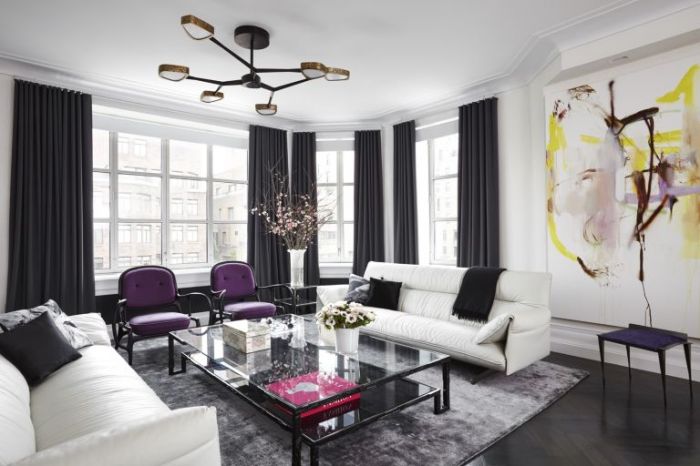
Source: shortpixel.ai
Transforming a private residence into an immersive gallery demands an intuitive understanding of scale, light, and human emotion. When visionary designers curate bespoke art collections, every piece becomes a vital vocabulary word in a larger domestic narrative, establishing a seamless dialogue between architectural volume and intimate human experience.
The placement of monumental sculptures within sprawling, open-plan living areas requires precise architectural choreography. Female tastemakers often position these substantial three-dimensional works not as mere obstructions, but as gravitational anchors that define spatial flow without inducing visual clutter. By anchoring oversized bronze or marble installations at strategic sightlines, they create natural breathing room within expansive spaces, guiding the eye effortlessly through the room while preserving an airy, uninterrupted openness.
Strategic placement of monumental sculptures, Designer women interior
Integrating large-scale artworks into modern floor plans relies on calculated sightlines and negative space management to maintain structural elegance. The following principles govern how these dramatic installations transform open environments into cohesive spatial masterpieces.
- Positioning heavy vertical sculptures near double-height ceilings to visually ground floating glass staircases.
- Suspending kinetic wire installations above minimalist seating zones to draw upward gaze and maximize perceived vertical volume.
- Anchoring expansive stone monoliths at transitional thresholds to naturally divide living and dining zones without physical partitions.
- Isolating abstract geometric forms against bare polished concrete walls to let clean architectural lines frame the sculpture organically.
Layering diverse artistic mediums across unconventional wall surfaces further elevates the residential experience, sparking daily moments of tactile and visual curiosity. Designers expertly combine raw textiles, distressed metals, neon glass, and traditional oil paintings across textured plaster or exposed brick, creating multidimensional collages that challenge conventional perceptions of interior boundaries.
Illuminating these private residential galleries demands museum-grade precision tailored to preserve delicate pigments while maximizing dramatic impact. The orchestration of advanced lighting systems involves a meticulous blend of adjustable recessed track fixtures, concealed linear LED washes, and directional framing projectors that isolate each canvas in a pool of focused luminescence.
Museum-grade illumination systems
Advanced lighting engineering transforms private domestic spaces into professional-grade exhibition venues, ensuring every brushstroke and tactile nuance is rendered with absolute fidelity. The technical parameters of these sophisticated illumination networks rely heavily on strict conservation standards and atmospheric mood control.
- Deploying high-CRI LED framing projectors with adjustable optical lenses to map light precisely onto irregular canvas edges without spill.
- Integrating warm linear graze lighting along textured stone walls to accentuate micro-reliefs and cast subtle, organic shadows.
- Utilizing UV-filtered optical fiber illumination for fragile mixed-media textiles to prevent long-term degradation from light exposure.
- Calibrating automated smart-home dimming scenes that shift color temperatures seamlessly from crisp daylight white to amber evening intimacy.
Lighting angles and shadow management dictate the psychological atmosphere of mixed-media installations, shifting a room’s energy from energizing clarity to moody contemplation. The deliberate interaction between luminance and darkness creates a living canvas that evolves dynamically throughout the day.
| Art Placement | Optimal Lighting Angle | Shadow Management | Psychological Mood |
|---|---|---|---|
| Textured Wall Relief | 30-degree grazing angle | Enhances depth through pronounced micro-shadows | Contemplative and grounding |
| High-Gloss Acrylic Canvas | 45-degree polarized wash | Eliminates distracting surface glare completely | Serene and expansive |
| Delicate Mixed-Media Paper | Vertical track positioning at 60 degrees | Minimizes distortion while highlighting organic fibers | Intimate and delicate |
| Large-Scale Bronze Sculpture | Multi-point cross-illumination | Softens harsh edges to create a lifelike silhouette | Dramatic and empowering |
Surrounding oneself with avant-garde visual storytelling transcends mere interior decoration, evolving into a profound psychological sanctuary that nourishes the human spirit. In an era dominated by digital noise and rapid consumption, returning to a home anchored by daring, thought-provoking art offers a vital anchor for emotional rehabilitation and mental clarity. When domestic environments reflect complex emotional narratives through curated masterpieces, inhabitants experience a daily psychological uplift, finding solace and inspiration in the tactile reality of physical creation.
Esteemed residential projects by renowned female tastemakers in metropolitan cultural hubs consistently demonstrate that living alongside radical, boundary-pushing art fosters greater cognitive resilience and emotional well-being. The juxtaposition of unexpected textures, challenging forms, and luminous spatial choreography invites residents to continually question, reflect, and grow within their own private domain. This immersive engagement with high-concept aesthetics transforms the home from a passive shelter into an active participant in personal evolution, proving that the ultimate luxury lies in an environment that speaks directly to the soul.
Art is not merely something we look at to pass the time; it is a living architectural partner that breathes emotional resonance into the very walls of our daily lives.
Ultimate Conclusion

Source: hommes.studio
Ultimately, the meticulous curation of these high-end domestic environments proves that true elegance lies in the harmonious balance between emotional resonance and avant-garde innovation. As these trailblazing creators continue to redefine luxury, they leave behind a timeless blueprint for living that nurtures both the soul and the mind, ensuring our homes remain our truest places of power and peace.
